Don’t Encourage Independence Too Soon
It may seem a bit strange to actually want your child to be dependent on you. But when children find it hard to learn about social interactions, we want to give them as much practice as possible. It can make day-to-day life easier when we have a child who’s independent at an early age. Some children who like to play by themselves don’t seem to need much attention from adults. But if they don’t often seek adult attention, they may miss out on a lot of opportunities for interacting with adults.
If a child enjoys being entertained by adults, it helps them to pay more attention to adults and may strengthen their attachment to the adults in their lives. The more the child wants and needs, the more likely he’ll be to interact with the adults in his life. And the more your child interacts with adults, the more likely it is that he will learn from them. So, when possible, use toys that require the adult’s help. Puzzles, tops, or blocks for stacking are all toys that would work well. If you help your child to build a tall tower, he can have a lot of fun knocking it down. If you help your child with a puzzle, he can have fun putting in the last pieces. In the same way, if a child learns to point to a snack that he wants, but can’t reach, he’s improving his communication with you. And the snack works as a reward for interacting with you to get it.
In the next video, the child needs the teacher’s help to get the toys. She also uses them to prompt eye contact.
In the next clip you will see a little boy doing a puzzle. This little boy enjoys puzzles and can do this puzzle all by himself. However, his teacher is handing him the pieces one at a time in order to make it a shared activity. In this way, she can work on increasing his eye contact and also on making their connection stronger.
Another aspect of toys like puzzles, shape sorters, stringing beads, marble or ball tracks, and books (with and without buttons you can press that make sounds or music) is that they require the child to actively engage in the play. Instead of just watching or listening, the child must do something to activate the toy or to complete the activity. This kind of active engagement promotes learning much more than passive entertainment.
So, when we think about the best kinds of toys or activities for young children, we think first about toys that can be used to promote social interaction and those that require active engagement.
Sometimes children can get over-focused on toys with batteries that can be easily made to spin or light up. If this happens, it may be a good idea to replace these toys with ones that your child enjoys but may need your help with, like tops or pinwheels. Tops and pinwheels have a similar appeal, but they can be used to promote social interaction and/or more active engagement. It’s a good idea to put away the toys that your child usually plays with all by himself, especially during times when you can play with him, using toys he needs your help with.
Another important thing is to limit time spent watching videos or TV programs. This kind of passive entertainment does not require him to do much of anything. We call these activities screen-time. Pediatricians recommend no screen time for children less than 18 months old, and only an hour a day for children up to 5 years old. They also recommend that parents watch videos or TV along with their child.
In the next video, the child needs the teacher to make the toy work. She also uses it to prompt eye contact.
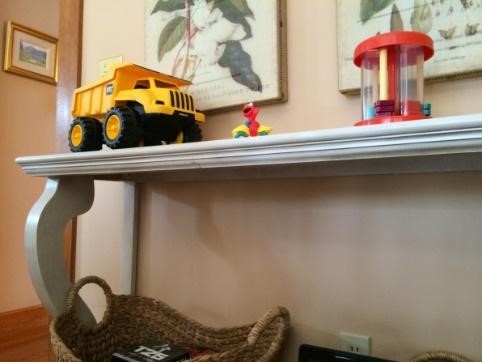
You can encourage your child to ask for help. Put toys and snacks in clear, see-through containers that he can’t open. You can also put them in places that he can see but can’t reach. For example, put some of his favorite toys high up on a shelf. Or put some of his favorite snacks in clear snack bins or other containers that he cannot open by himself. This way your child needs to communicate with you to get what he wants.
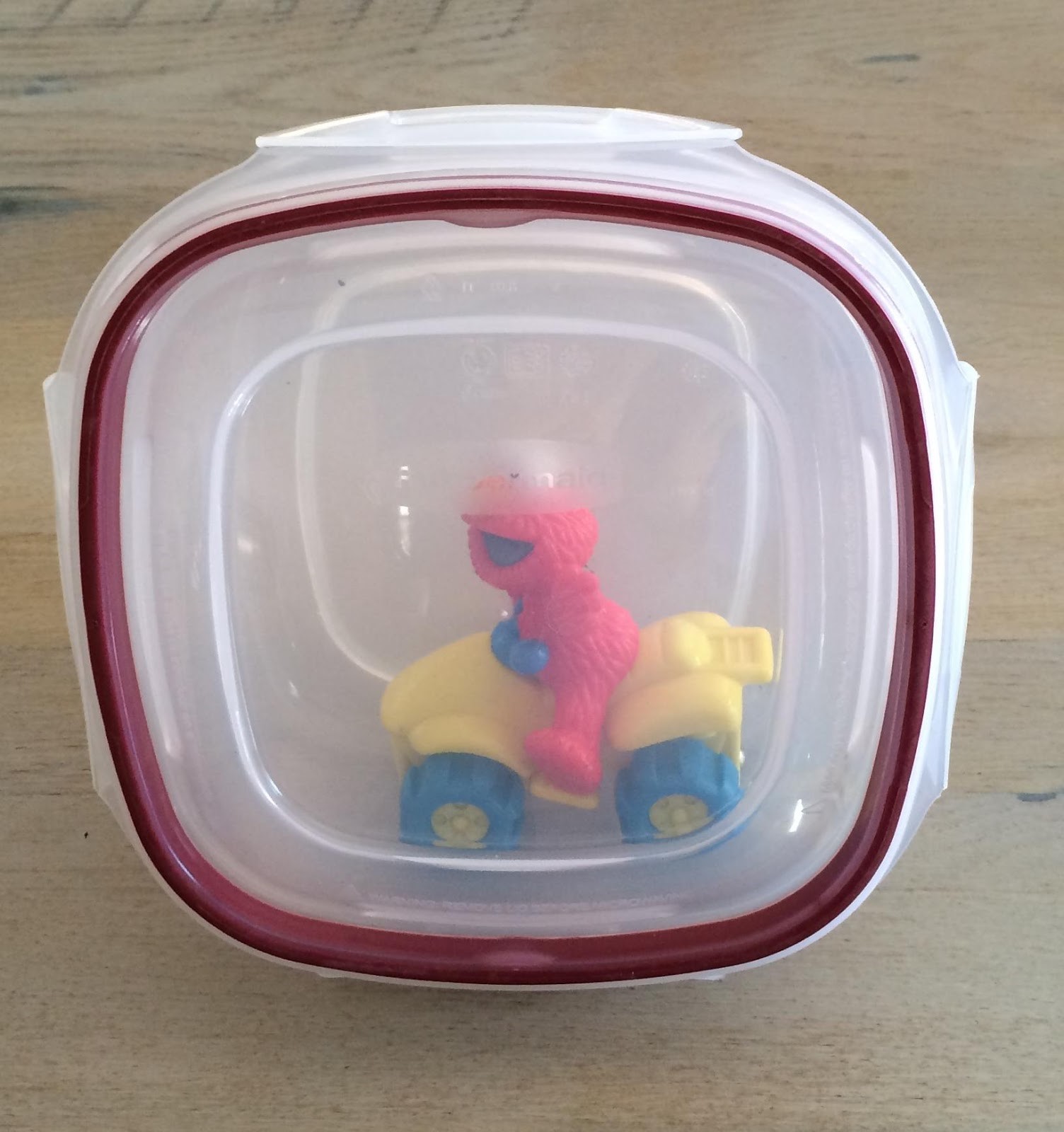
In the next clip a small boy is playing in a repetitive way with a little car. His teacher tries to join in his play with the car. She succeeds for a few seconds here and there, but he keeps going back to what he’s doing.
She decides to try putting the little car in a clear container. She wants him to ask for help to open the container so that he can play with the car.
Did you notice how the second teacher prompts him to ask for help using the help sign? If you missed it, you could watch the clip again.