

What Are Good Reinforcers?
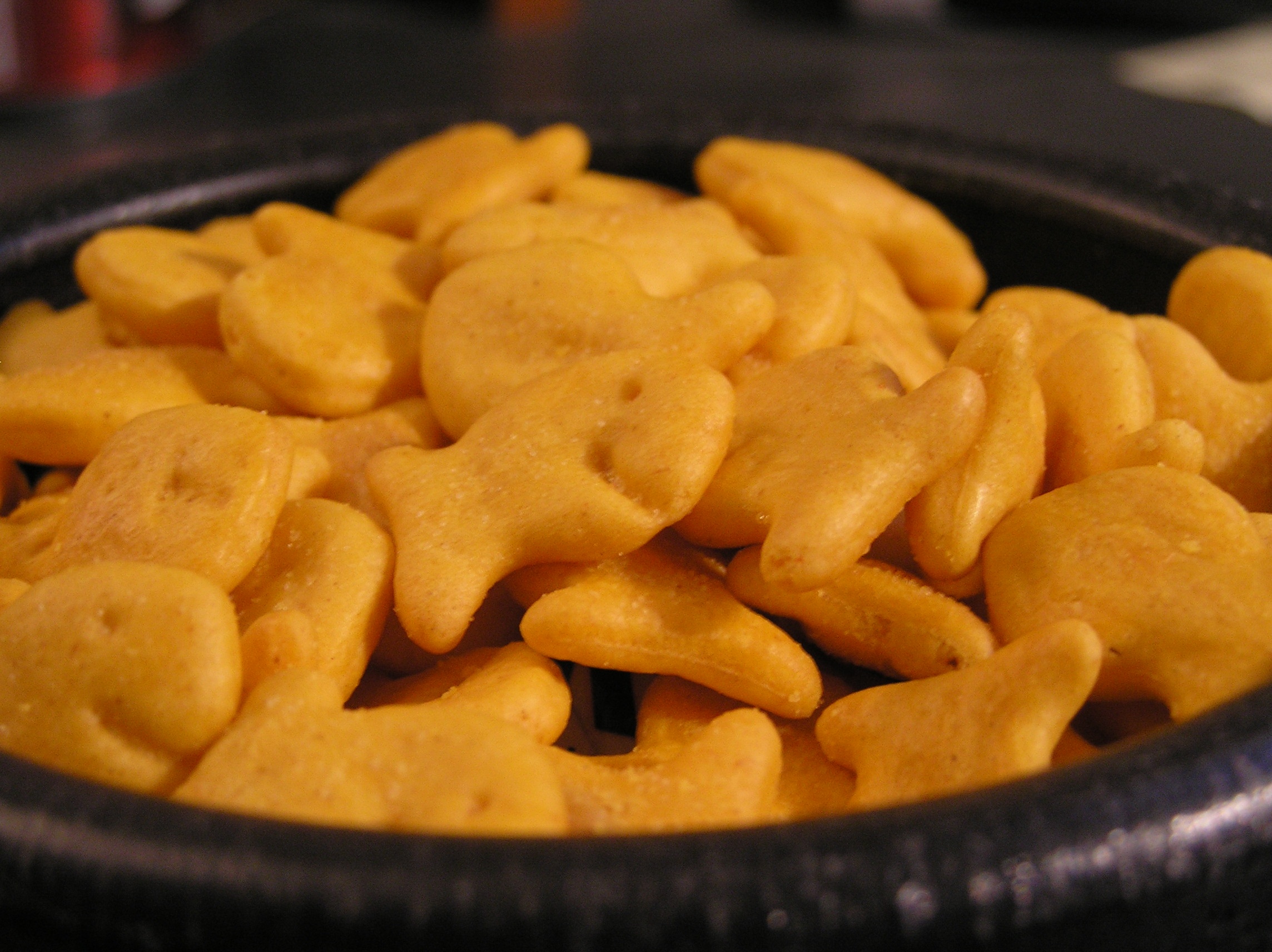
A reward doesn’t have to be food, although that often works well for young children, especially when teaching a new skill. A reward can be anything that makes the child more likely to do what you want him to again, in the future. What rewards can you use with young children? You should start with things you know they like, so think about your child as an individual.
What do you know your child really likes? Think about that for a minute. It can be a food treat. Think about what your child’s favorite foods are, especially foods that he doesn’t need for his basic nutrition and thinks of as special treats. For many children, a sip of juice or another favorite drink, like strawberry or chocolate milk, works well as a reward. A tiny piece of a sweet or salty treat, like a small piece of a cookie or a piece of a potato chip, also works well for many children. In the next set of videos, a whole set of different rewards are used – some food treats, but also activities and toys. See if you can figure out what the teachers are using as rewards in each video.
Pexels & Flickr
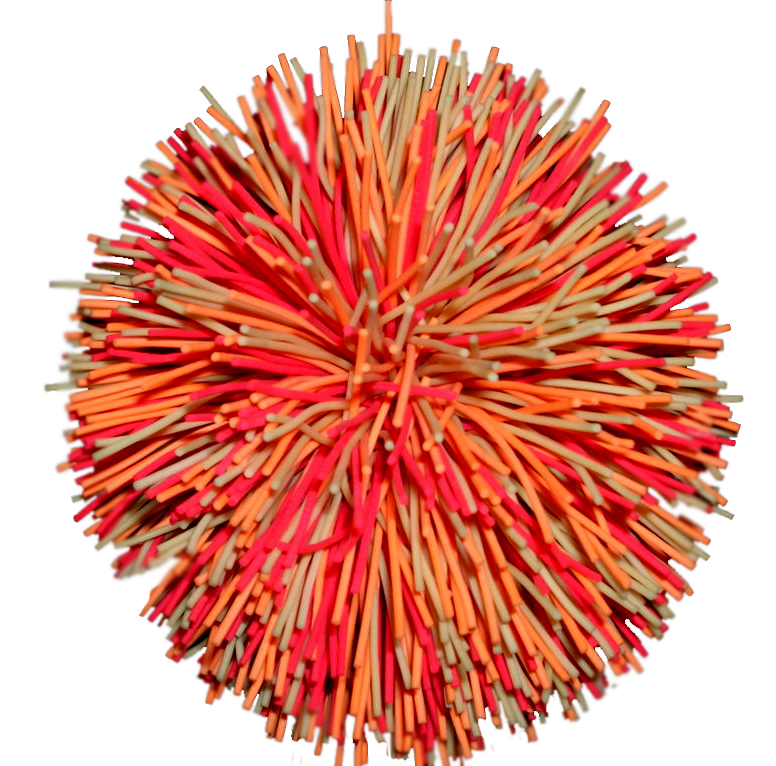
A reward can also be a toy or object your child likes to play with or a book he likes to look at. Having different toys to use as rewards prevents the child from becoming bored with any one of them. And by pairing yourself with each of these fun toys, and using them to promote joyful interaction, you will also be building your connection with your child.
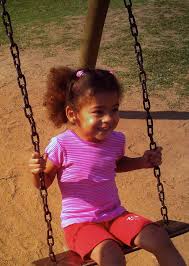
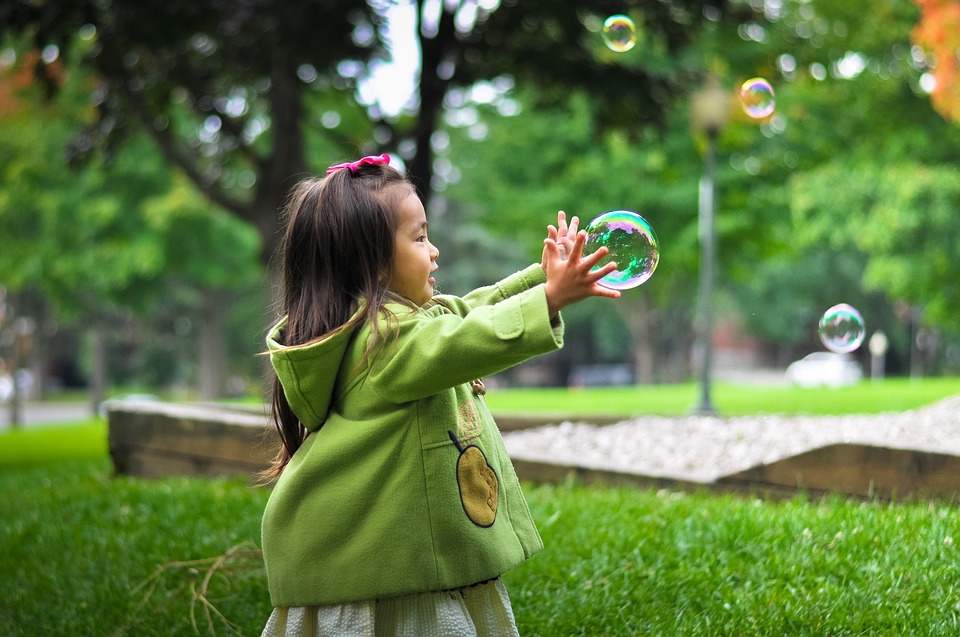
Publicdomainspicture.net & Pixabay
Activities, like swinging on a swing or sliding down the slide at the playground, having a turn with a favorite sand or water toy at the sand table or in the sandbox, or watching bubbles that you blow for him, are all great reinforcers.
Think about the things your child likes most, and make a list of reinforcers like the one below for your child.
| Toys | Food | Activities | Other Things |
| Blowing bubbles | M&Ms | Swinging in park | Listening to part of favorite song |
| Car with wheels | Small piece of cookie | Going down slide | Tickles from mom or dad |
| Ball | Dried fruit | Playing in sand or water | Watching favorite show on YouTube |
| Popup toy | Small piece of chip | Building stack of blocks | |
| Sliding balls on an abacus |
In the next clip, you’ll see another teacher using bubbles as a reward. She is working on teaching a little boy to ask for things by pointing with his finger. She blows a line of bubbles for the little boy, to get his interest, and then requires him to point in order to get more bubbles. Notice how she pairs her praise with the bubbles that he loves.
Clearly, she’s been working on the pointing to request skill with him before this clip, because he seems to be trying to point. She helps him a little. She then blows more bubbles and then waits for him to request again. That time he does a better job of pointing. He extends his pointer finger and makes a much better point and she reinforces him right away.
You can use anything for a reward that your child seems to like. Remember that what works well as a reinforcer for one child might not work at all for another. For example, one child might LOVE broccoli, while another doesn’t like it at all. Some children really enjoy being tickled, while other children find it VERY uncomfortable. Also – what might work as a reinforcer at one time might not work at another time, depending on how your child feels. If your child just had a big lunch, a piece of his favorite snack might not be exciting. If this happens, try a different non-food reinforcer or try again later. Within a few hours, it’s likely that the favorite snack will be rewarding again.
The good news is that there are many, many things that can be used as rewards to help a child learn. You are sure to find some things that will work well for your child. In the next set of videos, watch for all the different reinforcers that the adults are using to reward what the child does.