

Timing Is Important Too
Another key point: sometimes children are slow to understand an instruction or to respond. But if you give them a little time, they can do it. When you are teaching something new and are pretty sure your child will not understand your instructions, you should prompt her right away so she is successful. After you have prompted her to do the response correctly a few times, begin to give her a few seconds to respond (usually 3 to 5 seconds). If she doesn’t respond, give her a prompt. If she responds incorrectly or doesn’t respond, just pause for another second or two and remain calm. Present the trial again and prompt immediately.
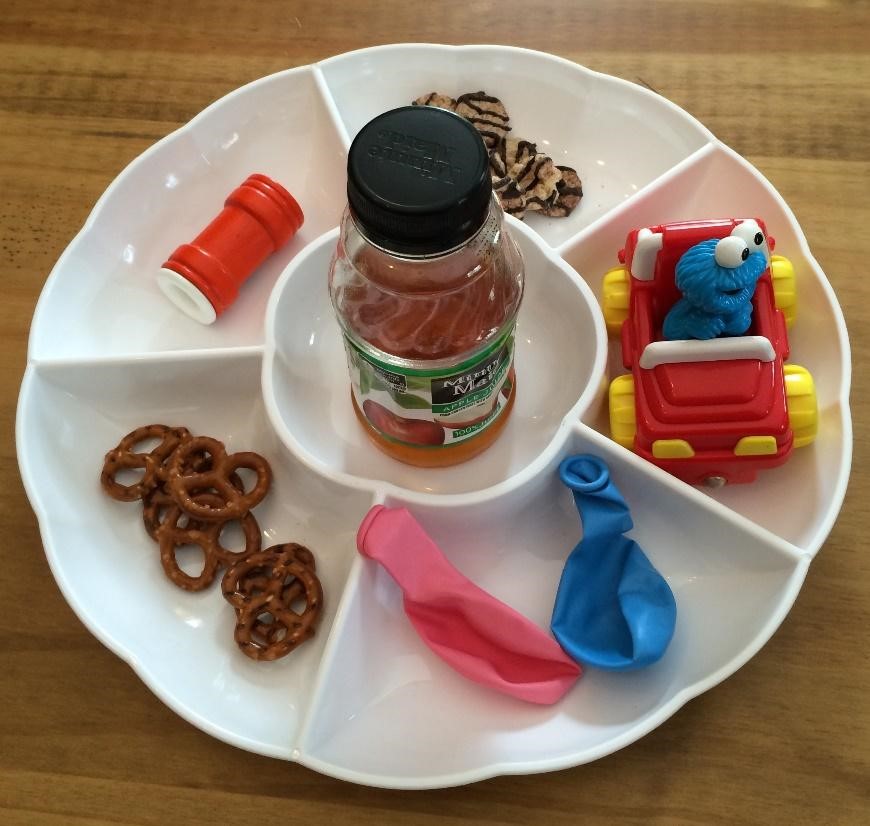
When your child responds correctly to your instructions, praise her quickly. That is, within a second of her response or even less. This is whether the response was prompted or independent. It is usually easy to praise your child quickly, but offering her a treat or toy can take more time. If you are giving another reward in addition to praise, it should always be given as quickly as possible after you have praised her. It’s best to have everything ready before you begin a special learning session with your child.
Sometimes, it is helpful to hold a small treat or toy in your hand before giving each instruction. This way, you can give it to your child right after they give the correct answer. See how this teacher keeps her cookie pieces “at the ready” so that she can deliver her reinforcers quickly. She praises the child and shows her happiness after each trial, but gives a small piece of a cookie only every few trials. As soon as she hands him one cookie piece, she gets another ready while he is eating the one she gave him.
If you need both hands to prompt your child, keep a few rewards nearby and reach for one immediately after your child responds correctly, while praising her. After you reward your child with praise, a treat, or both, give her a few seconds to think about what she did and your reaction, and let them enjoy their treat if they got one before starting the next learning trial.