

Receptive Categories
Things Your Child Should Know Before You Teach Receptive Categories
If your child can easily sort items into at least three categories without any help, and he has also mastered at least 6 or 7 receptive labels for objects in each of those three categories, you are ready to begin the Receptive Categories Teaching Program. In other words, before beginning this teaching program, your child should be able to sort pictures of food, animals and clothing into separate bins or onto separate plates, and also point to at least 6 or 7 pictures of different foods, animals or articles of clothing when you name them individually. And he should be able to do these things without prompts, at least 8 times out of every 10 trials. You can use the same pictures you did when you started teaching your child to sort by category. For example, if you used pictures of the following things to teach your child to sort foods, animals and clothing, you would use the same pictures to teach Receptive Categories.
| Food | Animals | Clothing |
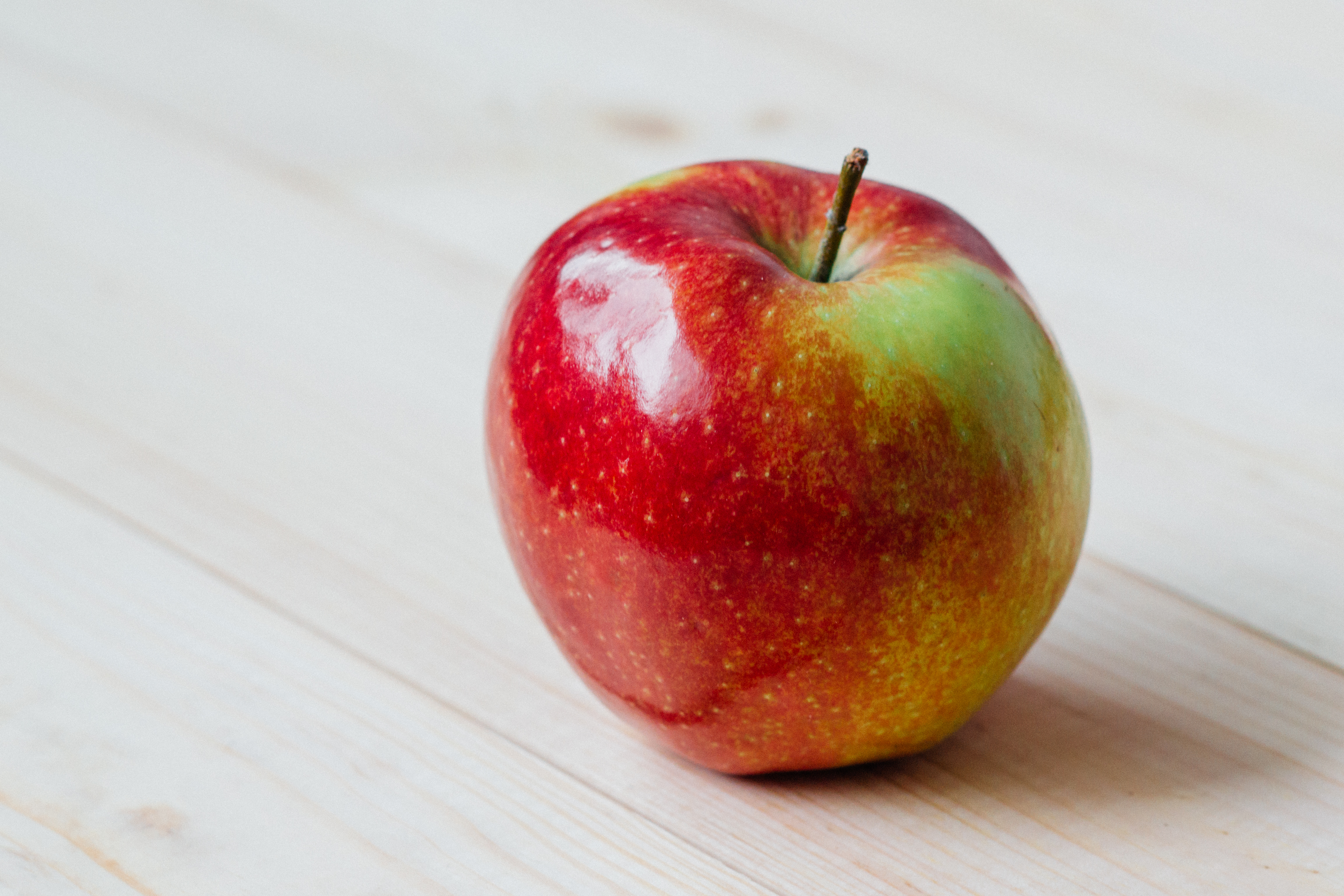
| Apple | Dog | Sock |
| Cheerios | Cat | Shirt |
| Cookie | Cow | Shoe(s) |
| Bread | Horse | Pants |
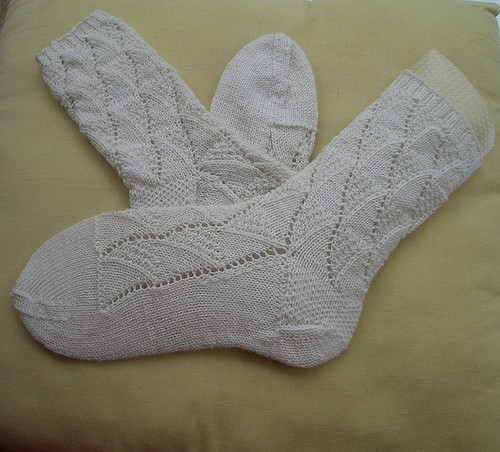
| Yogurt | Pig | Shorts |
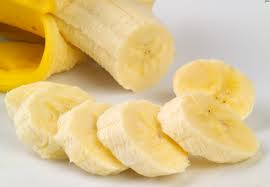
| Banana | Elephant | Coat |
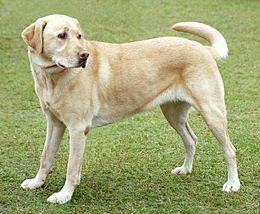
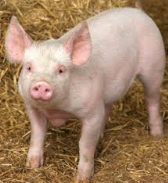
It’s very important that your child understands the word receptively for any item you use in the Receptive Categories Teaching Program. That way, he won’t get the name of the item confused with the category name. In other words, before you teach the word “animal” your child should be able to pick out each of the animals you are asking him to sort, when you label it by name. For example, when you say, “Dog,” or, “Touch dog,” and there is a picture of a dog, a pig and a horse on the table, he should be able to pick out the picture of the dog at least 8 times out of every 10 trials, no matter which position it is in. In fact, he should be able to pick out any of the animal pictures you are using when you ask him to do so.
“Touch dog.”
 |
 |
 |
Flickr, flickr, weebly.com
“Touch dog.”
|
|
|
“Touch dog.”
|
|
|
Receptive Categories Teaching Program
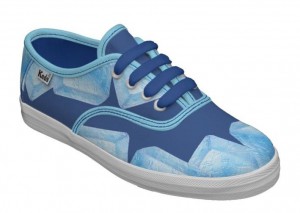
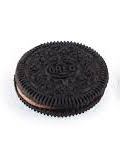
To begin, place three pictures on the table in front of your child, one from each of three categories that he has already learned to sort. Ask him to touch or point to one of the pictures, identifying it by the name of the category to which it belongs. For example, if the field of three pictures contains a shoe, a cookie and a dog, and you say, “Touch animal,” the child should touch or point to the dog.
 |
 |
|
Whereas if you say, “Touch food,” the child should touch or point to the cookie.
|
|
|
It’s important to note here that you will rotate through all of the pictures from each of the categories as you go along, changing the location of the various pictures and presenting the trials in an unpredictable order. Here’s an example of what we mean by that.
Trial 1: “Touch food.”
|
|
|
Trial 2: “Touch animal.”
|
 |
 |
Trial 3: “Touch animal.”
 |
flickr |
 |
Trial 4: “Touch food.”
flickr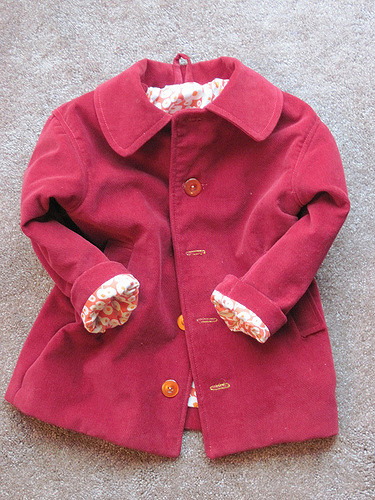 |
|
|
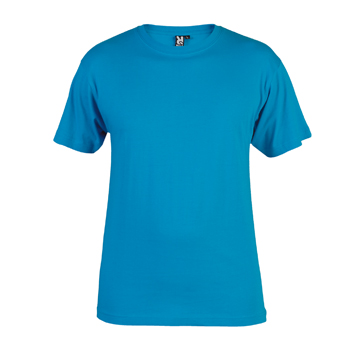
Trial 5: “Touch clothing.”
|
 |
|
Prompt as needed to make sure that your child points to the correct picture. When you praise him, be sure to use both the item label and the category name. For example, you might say, “Great job! A dog is an animal.” Or “Right! A cookie is food!”
In addition to praise, be sure to reinforce a few trials in each group of 10 with other rewards as well, for example, a small toy to play with, a tickle, a small edible treat, or sip of a favorite drink. It might work well if you save the extra treats for unprompted responses.
|
Fade your prompts over time, until your child can point to items from any of the first three categories, when given the category name, without any help at all for at least 8 out of every 10 trials. Just as with Category Sorting, keep track of whether or not your child identifies the pictures by category name, regardless of which picture you ask for. And, as usual, for the first three categories, track your child’s progress on the set of three categories as a whole, adding a fourth category only after he is responding correctly at least 8 out of every 10 times, no matter which of the three categories you ask him for. And remember to add the category names your child learns to your list of words he understands.
Adding a New Category
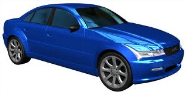
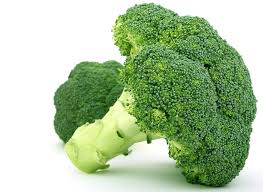
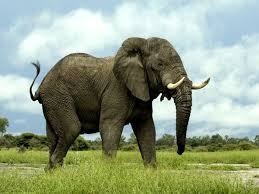
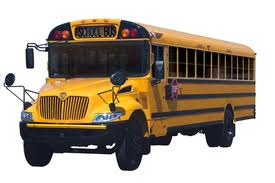
When you add the fourth category, present it along with two of the mastered categories, in an order that is not predictable or regular. In this case, since “vehicles” is the new category, you would always include “vehicles” and you would mix it in, on a rotating basis, with two of the other three mastered categories, in this case, food, clothing and animals. Here is an example:
Trial 1: “Touch vehicle.”
|
|
 |
Trial 2: “Touch vehicle.”
pixabay |
 |
|
Trial 3: “Touch animal.”
 |
|
|
Trial 4: “Touch clothing.”
 |
|
|
Trial 5: “Touch vehicle.”
|
|
|
Notice how there is always a vehicle in the field of three pictures. Pictures from the other categories are presented and practiced as well. However, you want to make sure that the new category, in this case ‘vehicles’, is practiced a little more often than the others. The child in the following clip has already learned to identify food, clothing and animals by their category names. Now he is learning a new category: vehicles. Notice how he is only prompted when asked to touch vehicles. He no longer needs prompts with pictures of food, clothing or animals.
You will probably need to prompt your child when you instruct him to touch an item from the new category, but your child should be able to pick out the mastered categories without prompts most of the time. Try to ask for the newest category at least 4 times out of every 10 trials, leaving the remaining trials for practicing mastered categories. You should only need to keep track of how well your child is doing learning the new category, in this case, vehicles, because he should already know the others.
Continue with this teaching program, adding one category at a time. Be careful to maintain all of the previously mastered categories. Before moving on, your child should be able to select an item that belongs to the most common categories, including, food, clothing, animals, vehicles, furniture, and body parts. But you should continue to teach additional categories as you see fit. You will probably need to make more materials as you add new categories. However, you should have plenty of materials from the Receptive Labels program to get you started and well on your way. As we have said before, it’s better to go slow and have each category really solid, rather than add too many too fast.
This was a very long section with a LOT of new material. We suggest that you review the instructions for each new teaching program as many times as you need before trying out the teaching programs with your child.
We have also prepared some questions about what you have learned to help you remember some of the material. Some of the questions will have choices and some will be true or false questions. A good way to work on these questions is to read each question, think about the answer, make your best guess and then read on to have the correct answer explained. There will be 15 questions. If you answer all of the questions correctly, you are probably ready to try out some of the ideas and procedures in this section and maybe also move ahead to the next section. However, if some of the questions were difficult for you, or, if you answered them all correctly but feel you could benefit from reviewing parts of this section one more time, you might want to do so before moving ahead.