

Games For Bath Time
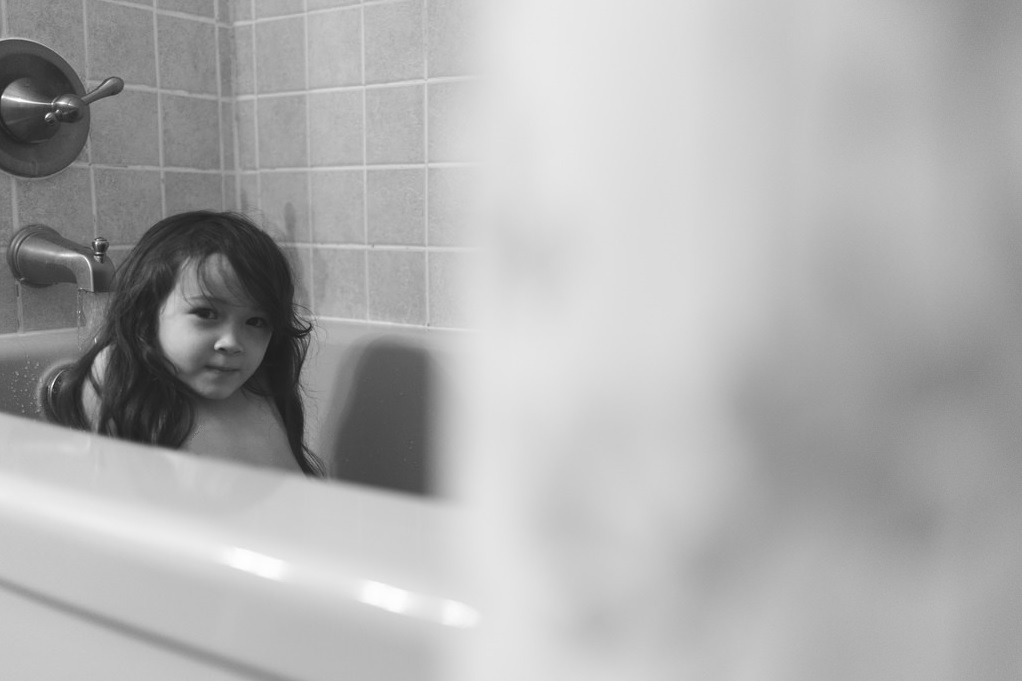
Bath time is a great time to work on the words for body parts as well as the concepts of wet and dry and action words like splash, jump, pour, wash and rinse. There are other concepts too, like full and empty, or sticks and doesn’t stick. Here are some ideas for how to work on these things while giving your child a bath.
1. REPETITIVE BATH TIME PHRASES TO TEACH THE WORDS WET, DRY, AND BODY PART WORDS
When you first put the baby in the bath, most of her body will be dry. Again, use simple, repetitive phrases to teach these concepts. For example, point to your child’s tummy and say, “Now Baby’s tummy is dry.” Then pour some water onto her tummy and say, “Now, Baby’s tummy is wet!” Then point to, or touch, your child’s arm and say, “Now Baby’s arm is dry.” Then pour water on her arm and say, “Now Baby’s arm is wet.” “Now Baby’s shoulder is dry.” “Now Baby’s shoulder is wet.” and so on. After you have done this routine several times, try using the CLOZE (filling in) procedure to see if your child will fill in the words. Having the warm water wash over her body should feel nice to her. If so, pouring the water may be a great natural reinforcer for saying the words wet and dry. You can use the same phrasing to demonstrate wet and dry with your washcloths and sponges too. Let your child touch the dry washcloth and say, “Now the washcloth is dry.” Then dunk it under the water and say, “Now the washcloth is _____.” Wait for your child to fill in the word “wet.” If she doesn’t, prompt her or just fill it in for her.
You can change it to focus more on body part words instead of wet and dry. You could point to her arm and hold the cup of water over it while saying, “I’m going to pour water on your arm!” Then do the same for the tummy saying, “I’m going to pour water on your tummy!” and so on. Once she learns the routine, you can pause before pouring the water to see if she will try to say the word, especially once she figures out that the next pour of water will be the reward.
2. USING BATH FOAM AND BUBBLES TO TEACH BODY PARTS
Using bubble bath or bath foam, which has the consistency of shaving cream, place bubbles or foam on different parts of your face and your child’s face, labeling “Mommy’s nose, Baby’s nose,” or “Mommy’s cheek, Baby’s cheek.” You can also offer choices for where to put the bath foam next. For example, you could ask, “Should I put it on your hand or your belly?” while pointing to each in turn. Once you have put it on, then wipe it off and say, “All gone!”
With a slightly older child, you can also use this game to work on the concept of possession and the pronouns, “my” “your” “mine” and “yours.” Just change the key words. Instead of saying “on and off,” say, “my nose” and “your nose.”
3. SING REPETITIVE BATH SONGS TO WORK ON BUILDING BODY PART VOCABULARY
As you wash each part of your child’s body, sing about it to a familiar tune. For example, you could sing, “This is the Way we Wash” to the tune of “Here we go Round the Mulberry Bush.” Just sing about whatever body part you are washing. So, for example, when you are washing your child’s back, you would sing, “This is the way we wash your back, wash your back, wash your back, this is the way we wash your back when we take a bath.”
You could use whatever song you think your child might like best. For example, you could sing a slightly different song to the tune of, “The wheels on the bus” song which would go like this. “Now I’m washing Baby’s feet, Baby’s feet, Baby’s feet. Now I’m washing Baby’s feet. Now the feet are clean.” In any case, you can also repeat the verses while rinsing, drying, and rubbing lotion onto each body part. You can end by offering tickles and kisses for each body part. And once your child becomes familiar with these songs, remember to use the CLOZE (filling in) procedure and see if she will fill in the blanks. For example, you could sing, “This is the way we wash the foot, wash the foot, wash the _____.” When you pause, see if your child will sing or say the word “foot.” If not, just fill it in yourself and keep going. You can always try again later. If she does try to say “foot,” be sure to show her your pleasure and enthusiasm.
4. USE SQUIRT TOYS FOR BATH TIME FUN
If you have some small tub animals that squirt, line them up on the side of the bath and have each one jump into the bath saying “jump, jump, splash!” and then do it again adding the animal names “froggy jump splash, duck jump splash,” etc. Then try, “Froggy squirt Baby.” “Froggy squirt mommy,” and really laugh to let your child know this is a pretty funny game! Anytime you get your child laughing, label the emotion using words like “silly,” “funny,” or “happy.”
5. TUB TOY SET-UP AND CLEAN-UP TO TEACH THE WORDS “YES” “NO” “IN” AND “OUT”
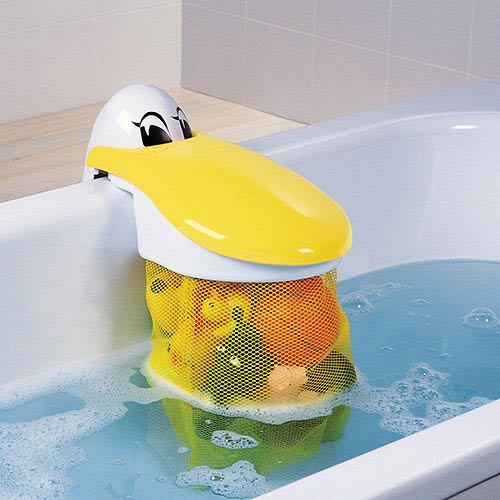
If you have a net or basket for storing bath toys, leave the toys stored when you first put your child in the bath so that you can ask her if you should “take them out” one by one. This will give you an opportunity to use a repetitive language approach to work on building vocabulary. For example, you might ask, “Froggy out?” If your child says yes, or nods her head, or even if she just reaches for the toy, say, “OK, Froggy out!” and take Froggy out of the storage net or basket with a flourish as you say the word “out.” Of course, if your child does not respond, prompt her to say yes in whatever way she can and then continue as if she had answered all by herself. Then ask about the next toy, and so on, until your child has plenty of bath toys in the tub to play with. If you want your child to focus on only one or two toys at a time, then line some of the others up around the edge of the tub when you take them out.
Near the end of the bath, try taking turns with your child putting different bath toys in the net or basket when you say the word “in.” You can also name the objects as you store them. For example, you could say, “Froggy in,” and make Froggy hop into the net or basket.
6. THE FILL & SPILL ROUTINE
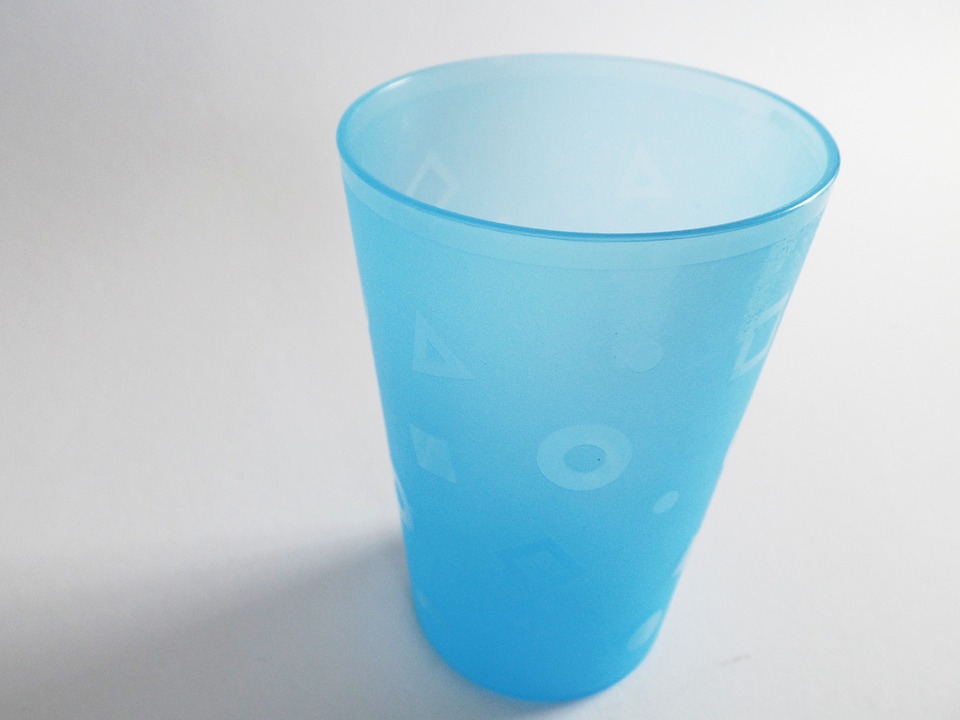
Get some plastic or paper cups and show your child how to “fill….” (make your voice have a rising intonation) and “spill” the water (falling intonation). After all, what child doesn’t enjoy pouring water? Use a repetitive language approach and the CLOZE (filling in) procedure to teach these two words. Each time you fill a cup with water say, “First we fill and then we spill.” As you say the word “spill,” spill the water out of the cup. After a while, pause before saying the words “fill” and “spill” and see if your child will fill in the blank. When she does, cheer for her and hand her a cup of water to pour out! You can do the same thing with “pour” and “more” by saying, “First we pour and then we get more!”
7. SONGS ABOUT DRYING OFF AND PUTTING LOTION ON TO END YOUR BATH TIME ROUTINE AND WORK ON THE NAMES OF BODY PARTS
When your child gets out of the bath, wrap her in a fluffy towel (a towel fresh out of the dryer is especially comfy and attention-grabbing), and give her a massage with lotion (if she likes that). You can sing the bath song (“This is the way we wash” to the tune of “Here we go Round the Mulberry Bush”) but substitute the word “wash” with the word “dry” when you are drying your child with the towel. You can also substitute with the word “rub” when you are putting her lotion or powder on. For example, when you are drying her with the towel you can sing, “This is the way we dry the arms, dry the arms, dry the arms. This is the way we dry the arms, after we take a tubby.” Then when you are rubbing the lotion on her, sing, “This is the way we rub the arms, rub the arms, rub the arms. This is the way we rub the arms when we put on lotion.”
Keeping your child entertained with these songs, games and activities should help to keep her attention and to keep her engaged with you during the whole bath-time routine. In this way you will be strengthening your relationship with her while also helping her to learn new skills.