

Music Play
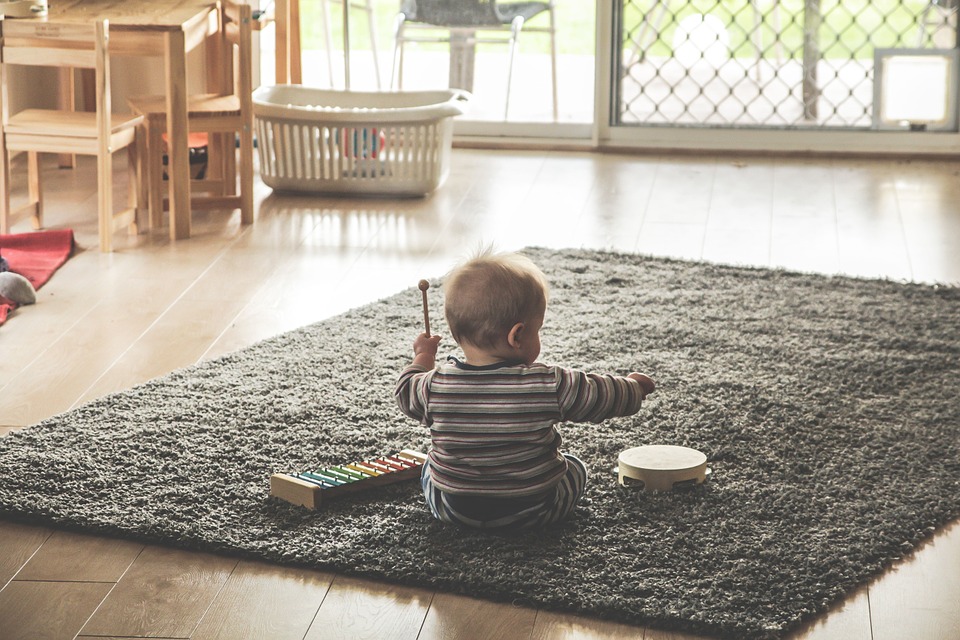
There are lots of things you can do with familiar songs. Simple and familiar songs can often get a child’s attention when language or gestures may not. Singing a few simple songs before bedtime can help a child calm down and get ready for sleep. Some simple songs can be used to work on language, too; for example, the English song “Head and Shoulders, Knees and Toes” (“Cabeza, Hombros, Rodillas y Pies” in Spanish) can be sung while showing your child these body parts on herself or on you. If your child is in an intervention or school program, ask the teacher to give you some songs that they sing often so you can sing them at home too.
1. WORK ON TRACKING SOUND BY FINDING THE HIDDEN MUSIC
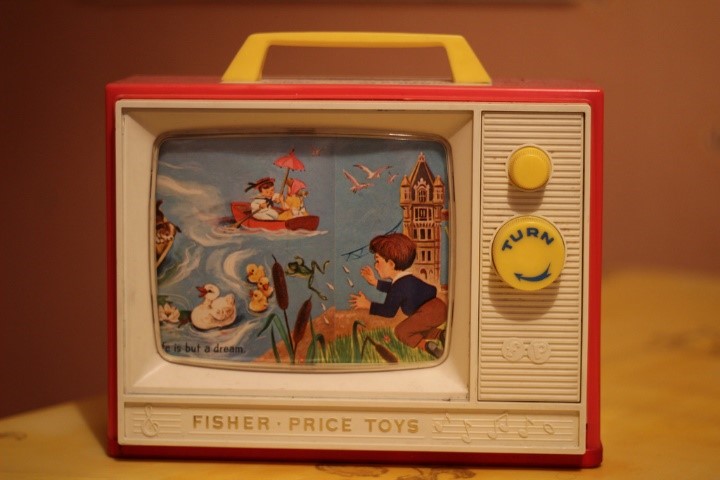
If you have a music box, a children’s CD Player, phone, or any toy that plays music, hide it and then teach your child to follow the sound to find it. Start with easy hiding spots. For example, you could place it under a blanket right in front of her. Once she can find the source of the music right away, try hiding it further and further away so that it is a little harder to find. Ask your child, “Where is the music? Or say, “Let’s find the music!” and then help her to move toward the sound. Cheer for her when she finds it and dance or sing to the music with her. Once your child can do this without your help, try hiding yourself and call, “Where’s mommy?” from your hiding spot. Make a little noise or sing a song until she finds you. As soon as you make eye contact with her, say, “Here I am! Here’s Mommy!” and scoop her up for a big hug and kiss.
2. MAKE MUSIC
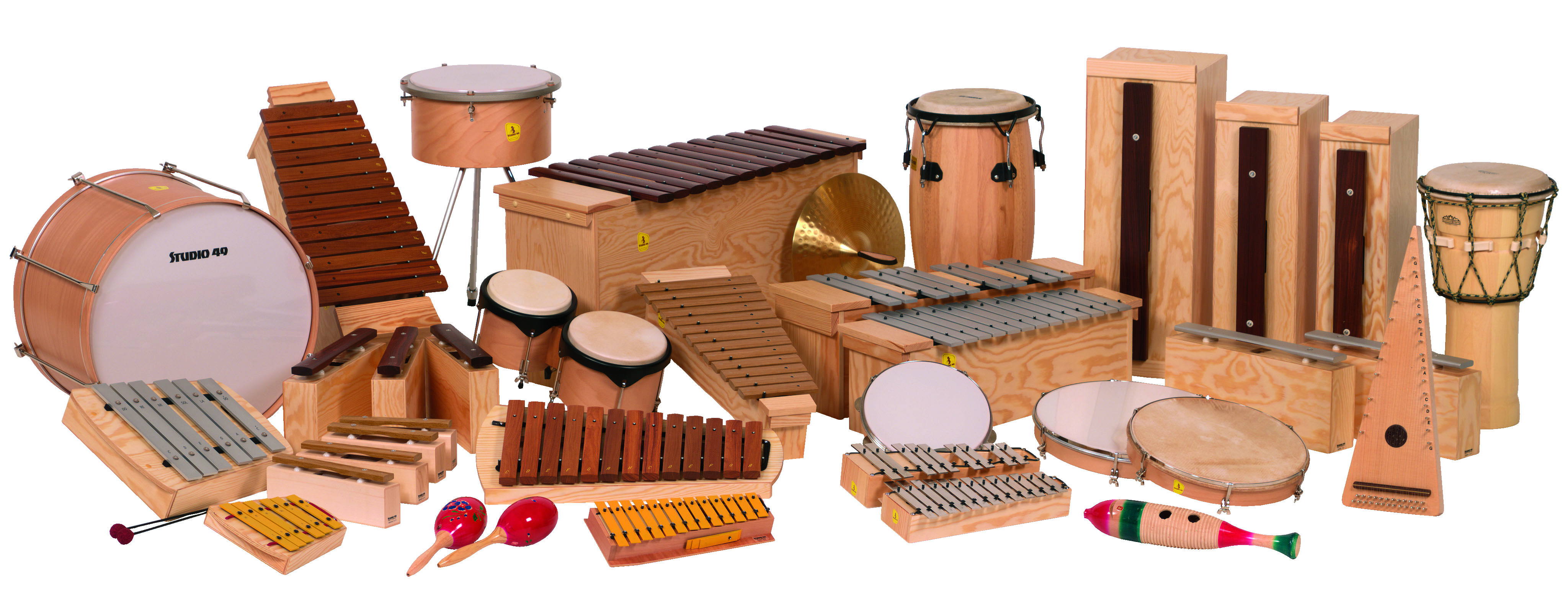
These games let you work on coordinating movement with another person, rhythm, and the concepts of “fast,” “slow,” “loud,” and “soft.” Musical instruments, especially percussion instruments, are great for teaching the concepts of “fast” and “slow.” You can use almost anything, from a fancy children’s xylophone to a homemade drum.
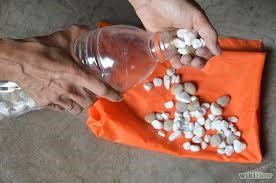
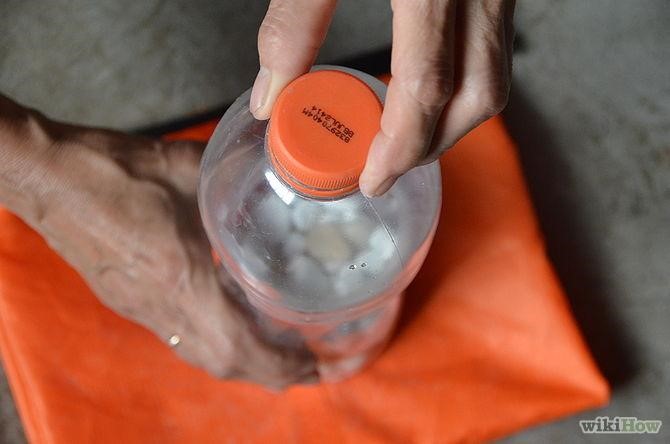
You can even have your child help you make a homemade shaker instrument by putting a handful of pebbles or dried beans into an empty water or juice bottle of any size you choose. But do be sure to put some very sticky tape around the cap to prevent your child from unscrewing the cap and putting any of the pebbles or beans in her mouth.
WikiHow
Put on some music or sing a song and play along. See if your child will imitate you with her instrument and keep the beat of the music. If so, give her a big smile and continue singing and rocking to the beat. Try out different rhythms and praise your child enthusiastically for keeping pace with you. If she keeps a different beat, then you try to imitate her. So, if she is keeping a fast beat, you do the same; and if she slows down you slow down too. Either way, label her speed as either “fast” or “slow” and keep changing the label as she changes her speed. You can do the same thing using a drum or another percussion instrument to work on the concepts of loud and soft. Demonstrate loud banging, followed by soft tapping and label the sound you are making as either “loud” or “soft.” Try experimenting with different instruments, like a child’s recorder or whistle.
3. DANCING TO THE MUSIC
This game is a fun way to work on eye contact, the words “stop” and “go,” and building humor. Dancing around with musical instruments or ribbons or streamers can really bump up the fun. You can give your child some ribbons or streamers to hold, or you can attach them to a drumstick or a wooden dowel, and she can hold that.
Put on some of your child’s favorite music and dance around with your child, waving thick ribbons or streamers as you dance. Dance in a silly, goofy way and then suddenly turn the music off and freeze with your finger on the play button. Wait for eye contact and as soon as you get it, turn the music back on. Soon, eye contact will serve as the on and off button for the music. You can also hold your child and dance with her too, teaching her about the words “stop” and “go” by stopping the music every so often and freezing your dance until you turn the music back on.
4. SINGING TO THE MUSIC
This activity helps increase your child’s attention to you. We have talked a lot about how to use songs paired with the CLOZE (filling in) procedure to teach all kinds of language as well as imitation skills and eye contact.
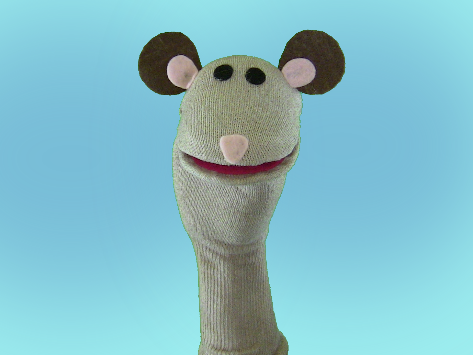
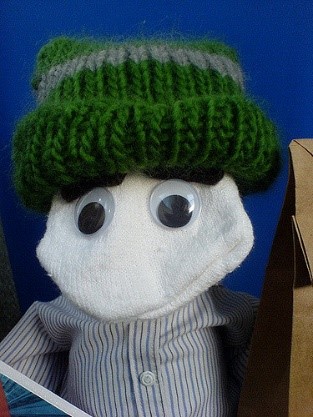
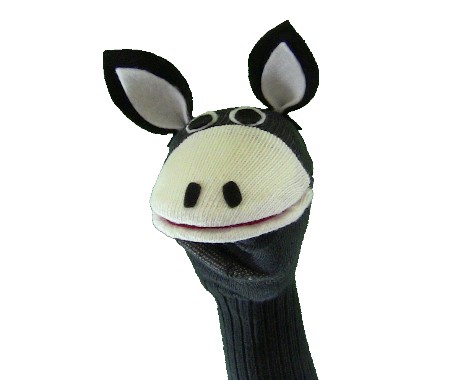
We’ll just add one more idea here, which is that sometimes, even children who are not especially fond of music can really like silly, singing puppets. So, if you are having trouble holding your child’s attention with music, try having a puppet sing the song in a silly voice and see what happens. And, if you don’t have any puppets, you can make them. You can even have your child help you draw a face on an old sock. Or you could make a fun project out of it, and sew on some buttons for eyes and felt ears.
Wikimedia/Flickr/Wikimedia
Once you have made your puppet, have it sing to your child. Use the puppet to draw your child’s attention to your face by having a silly conversation with the puppet. Hopefully, this will help her to pay enough attention to you and the music that she will realize how enjoyable it is to be a part of the fun.
We have given you many ideas about how to fit learning opportunities into your daily life, but this is really just a beginning. Try some of these ideas out with your child. See which ones work well with her and which ones do not. Then try to create some of your own. The more you do it, the easier it gets to come up with new ideas. Talk about it with other people who have young children as well as teachers and child-care workers. Check out the Pinterest website too, which is full of ideas for learning materials and activities for young children. You will find many variations of these ideas as well as new ones that you can try with your child.
There is no quiz for this section since the basic ideas behind the activities we have described are found in Module 4. If you feel you can use a review of those ideas, please re-read Module 4 and take the quiz at the end of that module again.